
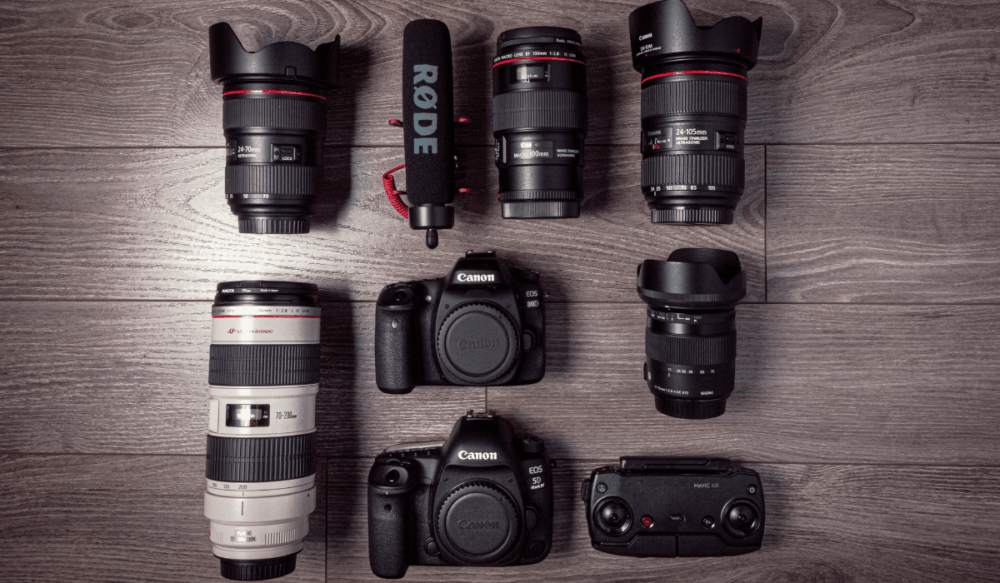
There are probably photographers with decades of experience and thousands of dollars’ worth of camera gear who are reading this and will cheerfully say they’ve never paid for an extended warranty on any of their purchases.
I get that. Your manufacturer warranty, credit‑card protections, and dedicated gear insurance will typically cover the biggest risks. However, extended warranty plans make sense in some situations. If you have expensive gear and frequently use it in risky environments, a warranty adds meaningful accidental damage protection beyond what your camera brand and card already provide.
Let’s take a detailed look at when a camera gear extended warranty makes sense, and when it doesn’t.
Table of Contents
Why Many Photographers Are Skeptical
Camera forums have been consistently skeptical about extended warranties for years. A lot of contributors in Reddit communities like r/photography and r/Cameras regard extended warranties as high‑margin upsells that rarely add value because most gear either fails early (under the standard warranty) or runs fine for years.
Many photographers also point out that extended warranties only cover individual items. This means they’re less convenient and potentially more expensive than blanket equipment insurance, which covers everything with a single payment.
There is merit to these arguments, but they do skate over a lot of specific details.
Coverage Options
Overall, there are a range of options at your disposal if you’re trying to limit your financial exposure after buying a shiny new piece of equipment. However, they serve different purposes. To be fully protected, you may need to rely on more than one of them.
Manufacturer Warranties

This is the logical place to start, as these come as standard with most purchases. Major camera brands typically include a limited one‑year warranty against defects in materials and workmanship under normal use.
Canon’s US warranty, for example, promises repair or replacement if the product has a manufacturing defect during the first year, but explicitly excludes damage from drops, water, sand, battery leaks, abuse, or commercial/professional use.
Accessories and battery packs often have shorter coverage (e.g., 90 days). It’s worth noting that manufacturer warranties usually require dated proof of purchase and use in the intended region; so, you generally can’t buy a camera in one country and try to trigger its warranty protection in another, even if you’re buying from an international brand. This is because items are sold for different prices in different places; manufacturers don’t want you buying a piece of kit in a cheap country and getting it replaced in an expensive one.
Ultimately, your base warranty will only offer defect coverage. If you drop it, dunk it, or use it professionally in harsh conditions, this type of warranty won’t help you.
Extended Warranties

You can buy extended warranties directly from the manufacturer or retailer, or rely on a third-party coverage provider. They essentially extend the duration and scope of your manufacturer’s warranty; instead of one year, you might get two or three, and you’ll be covered for drops, spills, and other non-product-related issues.
In practice, it’s always important to read the fine print. Every warranty provider will have a different list of exclusions (professional use, travel, etc.). These may or may not matter to you, depending on how you intend to use your gear, so you need to do your research before committing.
If you’re going with a third party rather than the manufacturer or retailer, you have a number of options. If you’re buying online, you may see extended warranty coverage as an optional add-on at checkout offered by a provider such as Seel or Extend.
Dedicated Camera Gear Insurance
Photographer‑focused insurance policies treat your equipment as business or valuable property and cover damage and theft.
Providers like Full Frame, Insurance Canopy, and others typically cover theft, accidental damage, fire, and certain travel incidents, with limits scaling from around $20,000 to $75,000 of gear for $15–$50 per month.
Policies often have deductibles (e.g., $250–$500) but cover all your kit (bodies, lenses, lights, laptops) in one contract, which tends to be cheaper per item than buying extended warranties on multiple cameras and lenses.
For working photographers or serious enthusiasts with a bag full of gear, equipment insurance is usually better value; it handles big risks like theft and catastrophic damage that warranties and credit cards may not fully cover.
Credit‑Card Purchase Protection
This is an option you may not even be aware of, but it works well and is more convenient for a lot of people than third-party protection. Essentially, when you make a purchase with certain credit cards, the card provider may protect your purchase.
Amex Platinum and Gold, for example, offer purchase protection that covers damage or theft of new items for about 90 days, with per‑occurrence limits up to $10,000 and annual caps around $50,000.
Extended warranty benefits on some cards add one extra year to the manufacturer warranty, effectively giving you defect coverage for two years instead of one when you pay with the right card.
These perks can quietly cover hundreds or thousands of dollars of camera gear, but they’re usually secondary to home/renter’s insurance and come with paperwork requirements (receipts, serial numbers, police reports for theft).
When an Extended Warranty Still Makes Sense
So, given the plethora of options at your disposal, when does an extended warranty add worthwhile value?
In my view, it’s worth it for stuff like:
- High‑value single items you can’t easily replace: If you buy a flagship item that represents a big chunk of your budget and you’re not yet prepared to pull the trigger on a full equipment insurance policy, a good extended plan with accidental damage can act as a bridge. Also, if you’ve got a single high-end piece of kit in your bag alongside a bunch of cheaper stuff, it may be more cost-effective to buy a warranty in respect of the pricey item and leave the rest uninsured.
- Heavy use in risky environments: If you’re an adventure, wildlife, or event photographer who regularly works in rain, sand, snow, or crowded spaces, you’ll get a lot of value from an extended warranty that clearly covers accidental drops and environmental damage (especially if the manufacturer warranty excludes “professional” use or harsh conditions). This is another area in which you’ll want to read the fine print, though; not all third-party warranties will cover this type of use.
- Avoidance of deductibles: When you claim on an insurance policy, you need to cover the first few hundred dollars yourself; this isn’t the case with extended warranties.
The key is that the plan must actually do something your current mix of warranty, card perks, and insurance doesn’t—usually long‑tail mechanical failure plus accidental damage, with clear limits and exclusions.
How Extended Coverage Compares
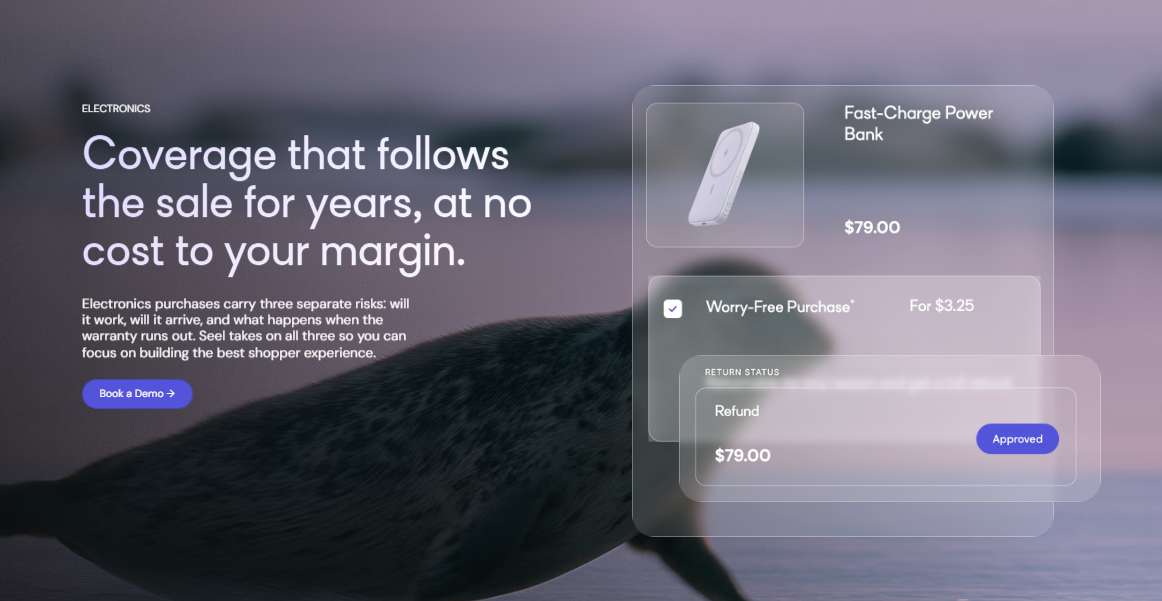
So, when you break it down to the nuts and bolts, how do extended warranties stack up against other forms of coverage? I’ve used Seel’s extended warranty offering as an example here, as it’s the one you’ll come across most often in online checkouts; however, it’s worth noting that even Seel’s coverage will vary considerably from one merchant to the next.
Duration
Seel’s extended warranty plans typically run between one and five years, with the exact term set per product category so merchants can offer longer protection on higher‑risk electronics while keeping shorter terms for simpler gear.
In comparison, manufacturer warranties usually cover defects for about one year from purchase. Credit‑card protections generally extend the manufacturer warranty by a single extra year and cover damage and theft for 60–90 days. Gear insurance, of course, will protect your equipment for as long as you keep renewing the policy.
Coverage
Seel’s extended warranty focuses on the kinds of issues that show up over long‑term use, covering hardware failure, mechanical and electrical breakdowns, defects after the manufacturer warranty ends, and (in many plans) wear and tear and accidental damage from handling such as drops, spills, and cracked screens.
It’s worth noting that coverage is configured by the merchant for each product, although Seel does manage claims and resolutions through its own portal.
That’s a broader scope than typical manufacturer warranties, which are largely limited to defects in materials and workmanship under normal use and explicitly exclude accidental damage, misuse, and other such common issues.
Gear insurance excels at covering theft and major physical damage across all your equipment but usually does not cover gradual wear or internal breakdowns.
Credit‑card purchase protections tend to cover short‑window damage or theft, and card extended warranties mirror the manufacturer’s defect coverage for an extra year.
So, Are Extended Warranties Worth the Money?
From a skeptical photographer’s point of view, the honest answer is: often no, sometimes yes.
- If you already have a solid manufacturer warranty, a card with strong purchase/extended warranty benefits, and dedicated camera equipment insurance, extended warranties are usually redundant.
- If you don’t have insurance, own one or two expensive cameras or lenses that would be hard to replace, and can get a well‑structured plan that clearly covers accidental damage and long‑term failure, an extended warranty can be a reasonable safety net.

The All-Outdoors Guide team is comprised of enthusiastic experts that enjoy helping others that aspire to be better at outdoor fun. Part of that is making sure you have the right gear and information when it’s time to go out and have fun. Some of our team have accomplished amazing feats like climbing 6000 feet to the top of mountains, others have explored every dirt trail they could find and we even have some people that have backpacked solo on various continents. No matter what our readers want to learn and do, our team is here to help them accomplish those goals.